

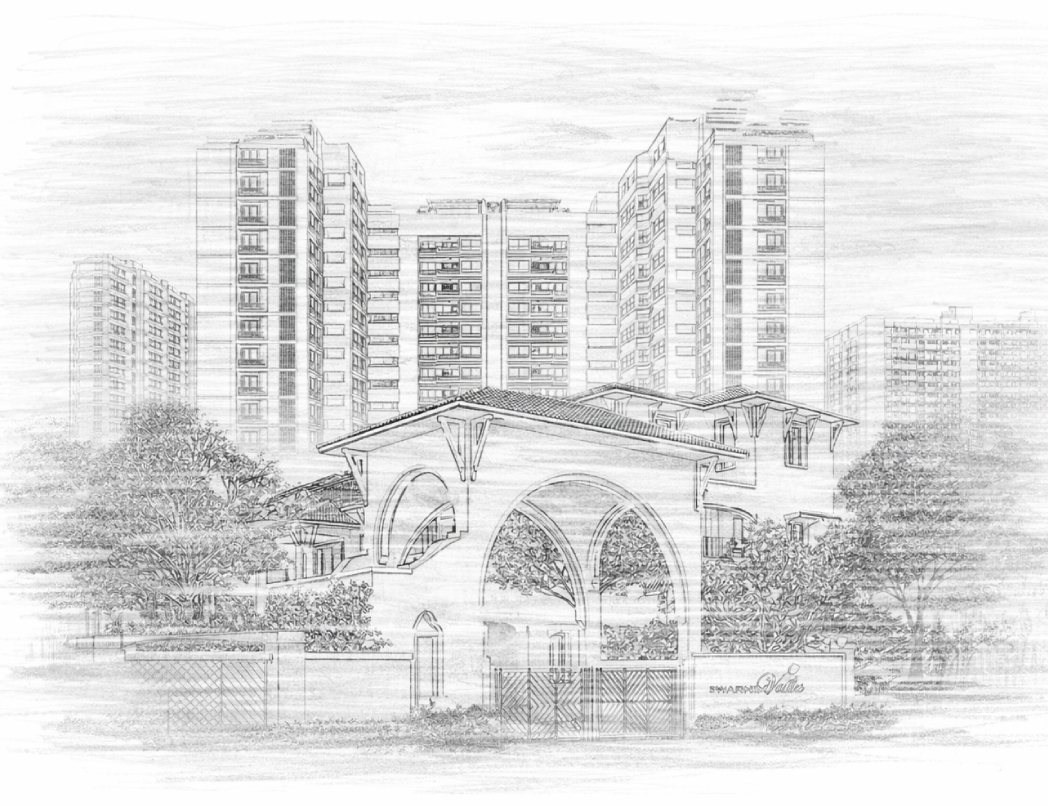
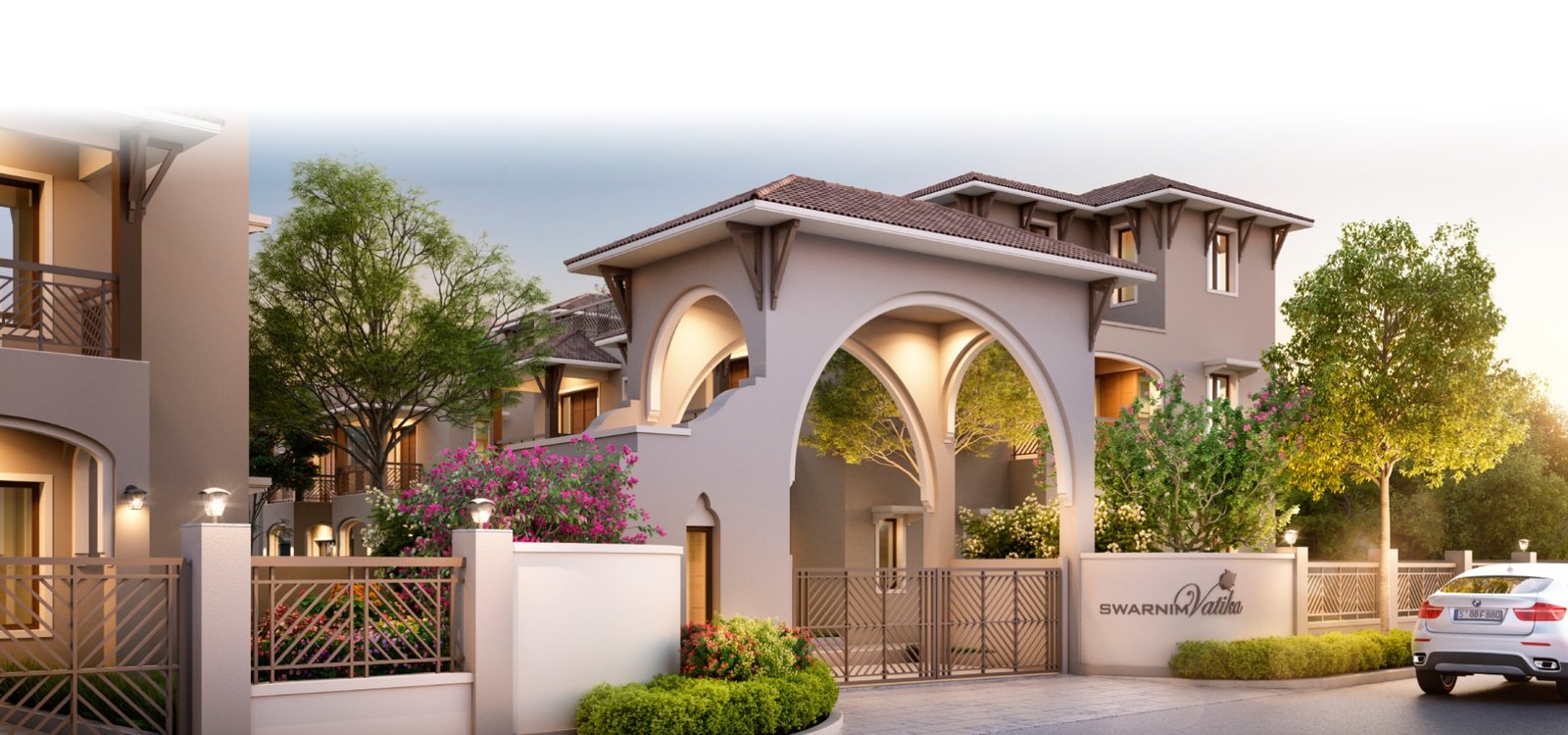
Most people who put this question to us are between 35 and 55, running a business or in a senior salaried job, and moving up from a 2 BHK. Many have bought from us before. It is usually the first purchase where the budget stretches to either a villa or an apartment, and that is when the choice turns difficult, because the two homes are not really competing on the same things. One offers ground under your feet and a gate of your own. The other offers a lift, a guard at the entrance, and neighbors who will water your plants when you travel.
That is the honest shape of this decision. Villa versus apartment is rarely about which is objectively better, since both work well for the right household. It comes down to how much space your family really uses, how much upkeep you want to handle yourself, and what you expect to do with the home in ten years. This guide walks through each of those, so you can work out which one fits the way your family lives.
In brief: A villa gives you the land, private outdoor space and full control over your own building. An apartment gives you shared amenities, professional security and far less personal upkeep, usually in a better-connected location for the money. Indian buyers have been moving upmarket. Homes above ₹1 crore made up 54% of sales across eight big cities in the first half of 2026, up from 49% a year earlier, while the under-₹50 lakh segment fell 15% (Knight Frank). Swarnim Group builds both, with villas at Swarnim Vatika in Adalaj and apartments at Swarnim Skyline and Swarnim Heights.
Key Takeaways
- A villa buyer gets a defined plot of land. An apartment buyer gets an undivided share of the land under the whole building.
- Buyers are moving upmarket. Homes above ₹1 crore were 54% of sales across eight cities in H1 2026, up from 49% a year earlier, while under-₹50 lakh sales fell 15% (Knight Frank, 2026).
- Villas suit families who want private outdoor space and will take on the upkeep themselves.
- Apartments suit families who want amenities and security without managing a building, and they usually resell faster.
What Do You Actually Own in a Villa Versus an Apartment?
The two are owned in different ways, and that is worth grasping before you compare anything else. Buy a villa and you own a defined piece of land plus the structure standing on it. Buy an apartment and you own your unit along with an undivided share in the land beneath the entire building, held jointly with every other owner.
That difference shapes what you can do later. A villa owner can often extend, rebuild or repurpose within the approved plan and local rules. An apartment owner cannot touch the structure, since the building belongs to everyone together. It also shapes how the two age. Land holds its value in a way that concrete does not, so a villa's worth leans more on the plot as the years pass.
None of this makes an apartment a lesser purchase. Far from it. Most Indian families buy apartments, and shared ownership is precisely what makes a lift, a backup generator, a manned security desk and a landscaped garden affordable to any single household. It simply means the two homes are different financial objects, even when the cheque you write is the same size.
Which One Gives Your Family More Usable Space?
Villas win on floor area, though the better question is how much of that space your family will really live in. A villa spreads across floors and typically comes with a garden, a terrace and parking on your own plot. An apartment gives you one level, which many families find easier to run.
For a sense of the gap, look at what Swarnim currently builds. The villas at Swarnim Vatika in Adalaj are 4 BHK homes of 4,518 sq ft. The apartments at Swarnim Skyline in Zundal-Adalaj run 2,421 to 3,474 sq ft across 3 and 4 BHK layouts. Swarnim Heights at Chharodi offers 3 BHK homes of 2,304 to 2,430 sq ft among its residential units.
Here is how the two compare across the things families actually ask about:
| Villa | Apartment | |
|---|---|---|
| What you own | The plot and the building on it | Your unit plus an undivided share of the land |
| Outdoor space | Private garden and terrace | Shared podium, gardens, common terrace |
| Upkeep | Yours to arrange and pay for | Shared through a monthly maintenance charge |
| Security | You arrange it | Manned entry, CCTV, visitor logging |
| Can you extend it | Usually yes, within approvals | No |
| Resale speed | Slower, smaller buyer pool | Faster, larger buyer pool |
One practical note on floor area. Compare carpet area rather than super built-up, because super built-up includes your share of lobbies, staircases and common areas. RERA requires carpet area in the agreement for exactly this reason, and it is the number that tells you what you can actually furnish.
What Does the Upkeep Really Involve?
This is where the two ways of living split most sharply, and buyers tend to underrate it. In an apartment, a monthly maintenance charge covers the lift, the water pump, the common lighting, the security staff and the gardening. Somebody else notices when the pump fails, and it gets handled without you making a single phone call.
A villa hands all of that back to you. The terrace waterproofing, the compound wall, the garden, the overhead tank, the gate, the pump that fails on a Saturday night when nobody is answering the phone. All yours. Some owners enjoy this, since it means the work happens to your standard on your timeline. Others find that a leaking terrace in the middle of monsoon is now their Sunday problem.
Build quality changes how much upkeep you face either way, so ask any builder what actually goes into the structure before you compare monthly costs. Across its projects, from the villas at Vatika to the apartments at Swarnim Heights, Swarnim builds on an RCC frame using JK Lakshmi cement and Electrotherm TMT bars, with Ultratech waterproofing chemicals, Laxmi elevators, aluminium fin-vent windows and Motto tiles. Ask any builder for that list in writing. A vague answer about "quality construction" tells you nothing you can check.
Which Suits Your Stage of Life?
Who lives in your home settles this faster than any spreadsheet. Families who do well in villas look quite different from those who do well in apartments, and both patterns are easy to spot once you know the signs.
A villa tends to suit you if:
- You have children who would use a garden daily, or elderly parents who prefer a ground-floor bedroom over a lift.
- You work partly from home and want a floor that stays separate from family noise.
- You already run a household with staff and are comfortable managing repairs and vendors yourself.
- You expect to stay in this home for a decade or more, so slower resale does not worry you.
An apartment suits a different rhythm. You travel often and want a home that locks up safely, or you want a pool and gym without building them yourself. You would rather pay a monthly charge than chase contractors, and you like knowing the home can be sold fairly quickly if work moves you.
Swarnim's own buyers sit mostly in the 35 to 55 band, business owners and salaried professionals moving up from a 2 BHK. Many have bought from Swarnim more than once. That upgrade moment is usually when the villa question comes up seriously for the first time, because it is the first purchase where both options are within reach. If you are still weighing how much space you need, our comparison of 3 BHK vs 4 BHK homes works through the same question one level down.
How Do Amenities and Security Compare?
Apartments deliver more for less, because the cost is split hundreds of ways. A clubhouse, gym, children's play area, landscaped garden and manned security are all affordable when a whole building funds them. Building even one of those privately at a villa costs far more than your share of the shared one.
Security follows the same logic. An apartment gives you a single controlled entry, a guard who knows the residents and neighbors who notice an unfamiliar face. A villa's security depends on what you install and who you hire, which hands you more control and more responsibility at the same time.
Location shapes this too. Apartment projects along established corridors tend to arrive with more built-up amenities nearby, which is part of why S.G. Highway stays in demand. Gated villa schemes sit between the two formats, offering shared security and common amenities alongside private plots. If that mix appeals, check what the shared facilities are and who looks after them once the builder hands over. That answer varies a lot between projects.
Which One Is Easier to Sell Later?
Apartments sell faster, simply because more buyers are shopping for them. A well-run 3 BHK in a building with a working lift, clean common areas and a maintenance committee that meets has a deep pool of interested families at any given time. A villa is a narrower market. A large villa has a smaller audience, so finding the right buyer can take longer even when the home is lovely.
Villas hold value well over long periods, because the land keeps working for you. Apartments give you liquidity, meaning the ability to convert the home back to money without a long wait. Which matters more depends on whether you plan to stay fifteen years or may need to sell sooner.
Whichever way you go, check the RERA registration before booking. Swarnim's three current projects are registered with GujRERA: Skyline under PR/GJ/GANDHINAGAR/GANDHINAGAR/AUDA/MAA12510/211023, Heights under PR/GJ/AHMEDABAD/AHMEDABAD CITY/AUDA/MAA10245/A1M/060323, and Vatika under PR/GJ/AHMEDABAD/AHMEDABAD CITY/Others/RAA07219/210620. All three can be looked up on the GujRERA portal, and our guide to checking RERA registration walks through how to read what you find there.
Making the Choice Without Second-Guessing It
Neither type is the smarter buy in general. The right answer is the one that matches how your family really spends its days. Two families with the same budget often pick different homes, and both feel they chose well.
Work through it in this order. Count the hours a week your family would really spend in a private garden, then ask yourself honestly whether you want to own the upkeep that comes with it. Then decide how long you expect to hold the home. If those answers point toward space, privacy and a long stay, buy the villa. If they point toward convenience, amenities and easy resale, buy the apartment. If you are still choosing an area as well as a home type, our Motera area guide shows how a still-developing neighborhood compares. See both before you decide, because floor plans on a phone rarely settle it. Talk to our team and we will arrange a site visit to whichever makes more sense for your family.
Still torn between the two? Walk both before you decide. See the villas at Swarnim Vatika in Adalaj and the apartments at Swarnim Skyline in Zundal-Adalaj, then talk to our team and we will set up a site visit to whichever fits your family.
Frequently Asked Questions
They work differently, and neither beats the other outright. A villa carries more land, and land tends to hold value well over long periods, so villas suit buyers staying a decade or more. Apartments have a much bigger resale market, so they turn back into money faster when you need to move. If your priority is long-term value and you plan to stay put, a villa makes sense. If you may need flexibility within a few years, an apartment is usually the safer format.
Usually yes, and the difference is as much about effort as money. An apartment bundles the lift, water pump, common lighting, security and gardening into one monthly charge, and the building handles the work. A villa owner arranges and pays for each of those, from terrace waterproofing to the compound wall and the garden. Some owners prefer that control. Others find it heavier going than expected once the first monsoon arrives.
Start with the RERA registration number and look it up on the GujRERA portal yourself. Then ask for the carpet area figure, since that is what you can actually furnish. Ask the builder to put the construction specification in writing, covering cement, steel, waterproofing and fittings. Check the approved plan for what you are allowed to modify later. For a villa, confirm the plot boundaries and the title. For an apartment, ask what the monthly maintenance covers and who runs the building after handover.
Often yes, within the approved plan and local building rules. That is one of the real gains of owning the land. You may be able to add a room, cover a terrace or repurpose a floor, subject to permissions. An apartment owner has no such option, because the building is jointly owned and any change affects everyone. If the idea of adapting your home to a growing family appeals, that freedom is worth real weight.